
“Milker Investors”
Jacksonville’s Corporate Slum Landlords
David Jaffee and Katie Renzi’s study of Duval County’s contemporary housing challenges could have been titled, “Milker Investors: How Corporate Slumlords Ate Your Lunch Money.”
Data rich, The Financialization of Human Shelter: The Rental Housing Crisis in a Sunbelt City explores investor ownership of Duval County’s single- and multi-family rental properties, with a sharp focus on corporate landlord practices, rent and wage structures, the failure of housing policy, and the anxiety renters feel when trying to balance housing payments and the cost of life’s other necessities, especially food.
Jaffee and Renzi paint a grim picture of Jacksonville’s present rental housing situation. Given “rent hikes, maintenance neglect, code violations, and eviction filings,” our researchers conclude that Jacksonville “has a serious corporate slumlord problem,” especially when it comes to investor owned, multi-family rental properties.
“The Rent Eats First”
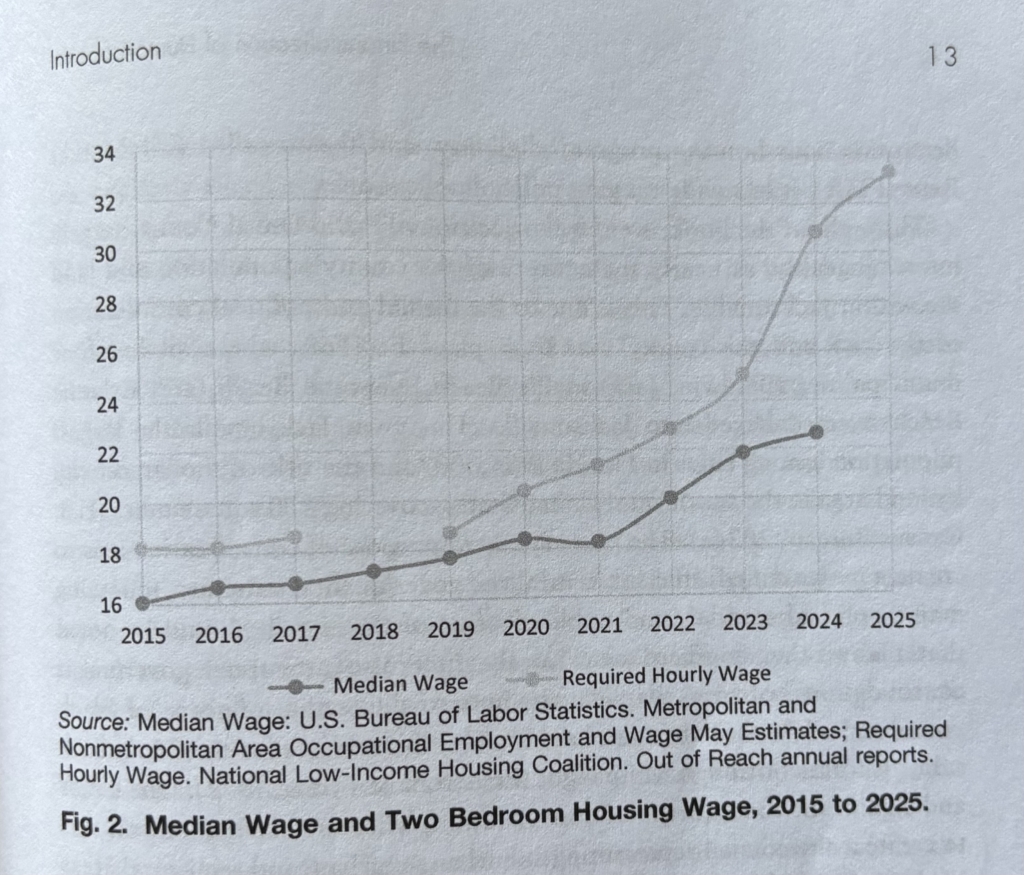
Jaffee, a UNF sociology professor, and Renzi, project manager of UNF’s Jax Rental Housing Project, explain that Duval County is experiencing a “growing disconnect between a relatively low wage labor market and an escalating high rent financialized housing market.” Housing, especially older, single family distressed homes and newer multi-family apartment complexes, are bought or developed in bulk by investment firms. Homes and apartments have become financial assets promising decent returns to the “investor class,” not decent places to live for working people. Over the past five years, this dynamic has metastasized, spreading across multiple Duval County zip codes and leaving behind destabilized neighborhoods and impoverished families.
More than half of our working people—among them childcare workers, teachers, police officers, paramedics, medical assistants, clerical staff, roofers, retail and food service staff—cannot afford the price of Duval County’s rental housing, according to Financialization. These people pay dearly for a place to live, with their rental expense eating into every other expense they have.
As commonly understood, “the rent eats first.”
Read More at JaxLookout Redux